
Article Summary: In this episode of Did It Close?: Apartment After Hours, we discuss how to increase NOI through 10 proven strategies, including focusing on financeable assets wins, maximizing rent, and turning amenities into revenue. See our past episodes for more content on commercial real estate success.
In today’s multifamily market, where cap rate compression is no longer doing the heavy lifting, operators are being forced back to fundamentals. Net Operating Income (NOI) growth is once again the primary driver of value, and the investors who understand how to increase it strategically are the ones finding opportunities in an otherwise uncertain environment.
In a recent Did It Close?: Apartment After Hours episode, Reid Bennett of SVN joined us again to unpack exactly where operators should be focusing. Our conversation revealed a clear theme: increasing multifamily NOI today is less about sweeping renovations and more about disciplined execution, creative revenue streams, and operational precision.
Watch the full episode to learn more:
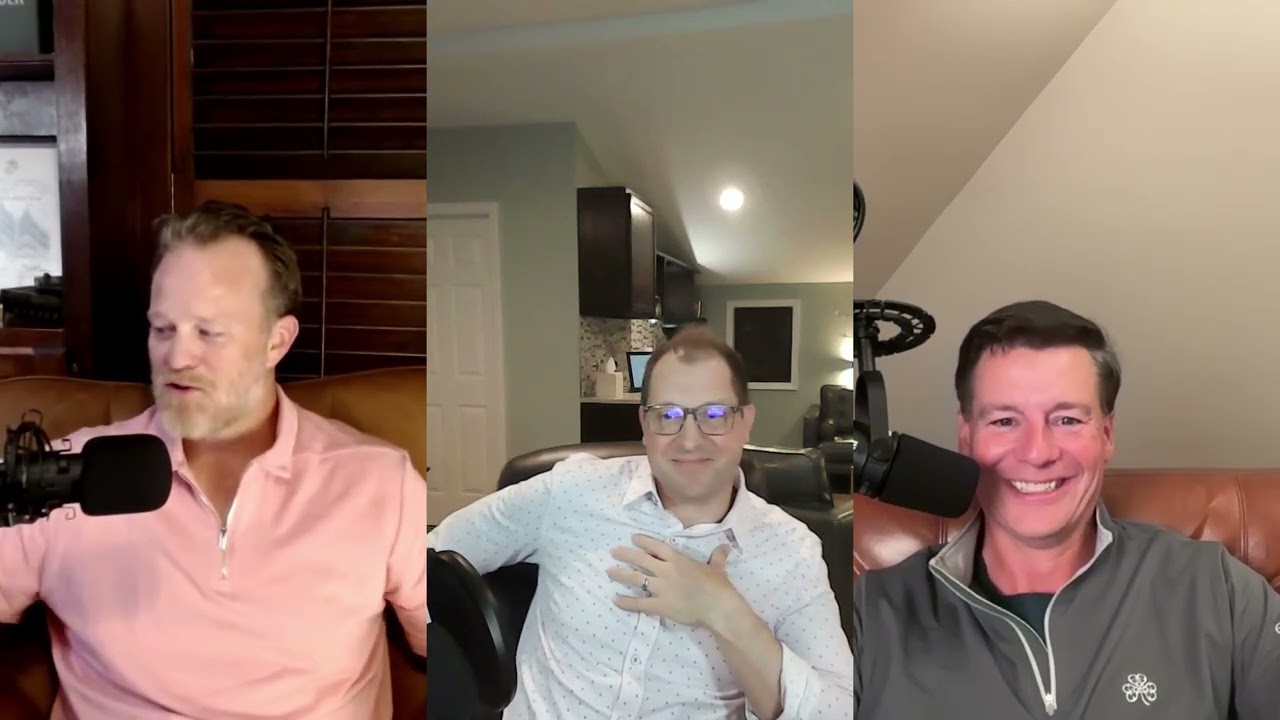
Table of Contents
Episode Summary
How to Increase NOI: 10 Strategies
Final Thoughts
About Reid Bennett
About Did It Close?
Subscribe
Episode Summary
As usual, this edition of Did It Close?: Apartment After Hours blends casual conversation with sharp insights into today’s multifamily investment market. We sat down with Reid Bennett to discuss what’s actually happening on the ground as the industry moves into the latter part of the year.
Together, we highlighted a clear divide in the market: clean, financeable deals are still trading, while assets with operational or physical “hair” are struggling to attract buyers. We also dive into the growing importance of creative deal structuring, noting how buyers are increasingly focused on metrics like cash-on-cash return and IRR, while sellers are often hesitant to transact unless forced by loan maturities or long hold periods.
Beyond acquisitions, the conversation shifts to operational strategies that drive value, particularly how owners are increasing NOI through fees, bulk internet programs, and smarter use of amenities. From washer/dryer connections to coworking spaces and pet-friendly features, the hosts emphasize that today’s renters are willing to pay for convenience and lifestyle.
The episode wraps with a deeper look at tax strategies, entity sales, and bonus depreciation, reinforcing a key takeaway: In today’s market, success comes from operational discipline, creative thinking, and maximizing every dollar of income.
Related Reading (From A Previous Apartment After Hours): How to Become A Better Commercial Real Estate Broker: Expert Tips & Insights
How to Increase NOI: 10 Strategies
Follow our game plan for increasing multifamily Net Operating Income:
1. Look For Clean, Financeable Assets
Before diving into tactics, it’s important to understand the current environment: Buyers today are extremely selective, and that impacts how NOI improvements are valued.
Increasing NOI isn’t just about boosting income; it’s about doing it in a way that preserves (or improves) the asset’s perceived quality and financeability. Sloppy execution or overly aggressive assumptions can actually hurt value in today’s market.
2. Maximize Rent Through High-ROI Unit Upgrades
One of the simplest and most effective ways to increase NOI is still rent growth, but not all upgrades are created equal.
A standout example from the episode is adding washer/dryer connections, as co-host David Dirkshneider points out:
“If you add a washer dryer connection, you can usually get $50 to $100 more per unit per month… But if you have a washer and dryer in the unit, then you can get an extra $100 to $200 per month.”
This is a classic value-add strategy because:
- The cost is relatively low (often under $1,000 per unit).
- The rent premium is immediate.
- The ROI can be realized within a year.
Compared to cosmetic upgrades like countertops or flooring, functional improvements that enhance daily living tend to produce more consistent rent increases.
3. Turn Amenities Into Revenue, Not Just Expenses
Amenities are no longer just about attracting tenants. They’re also increasingly being monetized.
From valet trash to technology fees, operators are finding ways to convert services into revenue streams. Dirkschneider highlighted how some management companies excel at this:
“They have all these fees built in… and they’re raking it in. It’s stuff that you would normally not even charge for, but they call it a convenience fee.”
Examples of monetized amenities include:
- Valet trash fees
- Technology or smart home fees
- Amenity access fees
- Reserved parking or premium parking
- Pet rent and pet deposits
The key is packaging these charges in a way that feels standard (or even expected) to renters.
4. Bulk Internet: A Hidden NOI Multiplier
One of the most interesting strategies discussed was bulk internet agreements, which is a rapidly growing trend in multifamily.
Dirkschneider shared a real-world example where an owner pays $10 per unit for high-speed internet, then turns around and charges tenants $40. Over 100 units, that’s an extra $3,000 per month just by providing internet access!
This strategy works because:
- Residents perceive value (they’re paying less than retail rates)
- Owners create a consistent revenue stream
- It enhances the property’s competitive positioning
Bulk services like internet are especially powerful because they scale across the entire property and create predictable, recurring income that can either be pocketed or reinvested in other areas of the property.
5. Reimagine “Other Income” Categories
Beyond traditional rent, NOI growth often comes from what’s categorized as “other income.”
Top performers aggressively optimize this line item through:
- Late fees
- Application and admin fees
- Utility billbacks
- Storage rentals
- Package lockers
- Short-term rentals (where applicable)
The lesson here is simple: small charges, when applied across hundreds of units, can materially impact NOI.
6. Solve Problems Quickly By Monetizing Them
In today’s market, deals are fragile, and operational issues can quickly erode value. Reid Bennett emphasized a pragmatic approach:
“If there’s a problem, call it out and monetize it instead of dragging it out.”
In other words: Put a dollar amount on the issue at hand.
This mindset applies not only to transactions but also to operations. Whether it’s maintenance inefficiencies, underperforming amenities, or outdated contracts, the faster you quantify and address issues, the faster you protect or grow NOI.
7. Rethink Legacy Contracts (Especially Laundry)
Laundry operations came up as a surprisingly important (and often overlooked) NOI driver.
Many older properties are locked into restrictive laundry leases that limit upside. These contracts can:
- Cap revenue potential
- Lock owners into long-term agreements
- Create operational headaches during a sale
As discussed in the episode, alternative structures, like owning the machines and paying for maintenance, can significantly increase income. In short, revisiting legacy agreements can unlock hidden NOI.
8. Focus on Amenities That Actually Get Used
Not all amenities contribute equally to NOI. In fact, many are underutilized and purely cosmetic.
Today’s renters are using amenities more intentionally, especially with the rise of remote work. The group noted increased usage of:
- Coworking spaces
- Fitness centers
- Social lounges
- Pet amenities
The takeaway: Invest in amenities that drive retention and justify rent premiums, not just those that look good in marketing materials.
9. Use Pricing Psychology to Your Advantage
How you structure pricing can impact both occupancy and NOI.
Dirkschneider shared a fascinating example:
“I had a client run a special on a property one time. I don’t remember the exact number, but the general concept was this: You can move in, and in your first month, you can either pay only $99 (full rent was $600) or receive a flat-screen TV for signing the lease. Now, the flat screen was only $200. But he said 90% of the people would pick the TV because they could carry it away that day—even though they could save $500 with the other option.”
This highlights a key principle: Perceived value often outweighs actual value.
In practice, this means:
- Offering concessions that feel tangible
- Keeping base rent lower while layering fees
- Creating “packages” rather than all-in pricing
And while that approach has its critics, it undeniably drives revenue.
10. Don’t Ignore the Macro Tailwinds
Finally, NOI growth doesn’t happen in a vacuum. Market conditions matter.
The hosts pointed to two key factors driving renewed investor interest:
- Potential interest rate declines
- The return of 100% bonus depreciation
These macro tailwinds can amplify the value of NOI improvements by making deals more attractive and financing more accessible.
Final Thoughts
Increasing multifamily NOI in today’s multifamily market requires a shift in mindset. It’s no longer enough to rely on appreciation or broad market trends. Instead, operators must focus on:
- High-ROI upgrades
- Creative revenue streams
- Operational efficiency
- Strategic pricing
- Smart use of amenities
The good news? These strategies are largely within your control.
And as this episode makes clear, the operators who lean into these tactics while staying disciplined and realistic are the ones who will continue to find deals, close deals, and ultimately answer the question: Did it close?
About Reid Bennett
Reid Bennett—our Apartment After Hours co-host—is a seasoned commercial real estate broker specializing in multifamily investment sales across the Midwest. With more than two decades in the business, Reid has built a reputation for running disciplined, process-driven marketing campaigns that maximize value for apartment owners while protecting them from common transactional pitfalls.
Known for his candid advice and client-first approach, Reid emphasizes understanding an owner’s true motivation before ever discussing pricing or strategy. His philosophy is simple: great brokers don’t “pass paper.’ Instead, they create leverage, control the process, and add measurable value at every stage of a transaction.
A CCIM designee, Reid combines investment analysis with practical market experience, helping private owners, partnerships, and institutional buyers navigate acquisitions, dispositions, and complex negotiations. Beyond closing deals, he is passionate about mentoring younger brokers, refining team structures, and sharing hard-earned lessons about longevity in a cyclical, high-performance industry.
About Did It Close?
Did It Close? is a commercial real estate podcast hosted by industry pros and Massimo coaches Bryan McCann and David Dirkschneider. The show highlights dealmakers, operators, and industry specialists—sharing tactics and insights designed for CRE professionals.
Subscribe Today
You can subscribe to Did It Close? on Spotify and YouTube, and you can follow us on social media:
Keep Reading: If you liked this article, check out What Is Creative Placemaking? or 1031 Exchanges & DSTs.